Army Veteran Susan struggled with gastrointestinal (GI) issues for years with no real answers and various diagnoses. After doing an eliminations diet and researching online, she talked to her primary care provider about the possibility of celiac disease. Follow up blood work and additional testing showed she did indeed have celiac disease.
Susan was happy to finally have an answer to her discomfort and a manageable treatment plan. She wasn’t alone in her frustration to figure out what was causing her symptoms. It’s estimated that 83% of individuals with celiac disease are not diagnosed or misdiagnosed.
What exactly is celiac disease and what does it mean when you have it? It is an autoimmune disease triggered by consuming gluten which causes damage to the small intestine. If left untreated, celiac disease can cause osteoporosis, anemia, malnutrition, nervous system problems and problems with the reproductive system.
Gluten sensitivity or a wheat allergy are other reasons people might follow a gluten-free diet. However, these conditions do not cause damage to the intestines like celiac disease.
Common symptoms:
- Diarrhea
- Fatigue
- Headaches
- Dermatitis Herpetiformis (itchy skin rash)
- Others
The only treatment available for celiac disease is a strict, lifelong gluten-free diet. Gluten is a protein found naturally in certain grains, such as wheat, rye and barley. Gluten can also be added to other foods and products. The most common food sources that contain gluten are: baked goods, baking mixes, breads, cereals, pasta, beer and malt beverages.
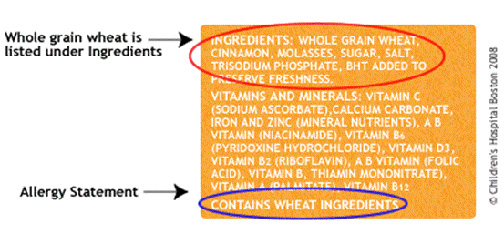
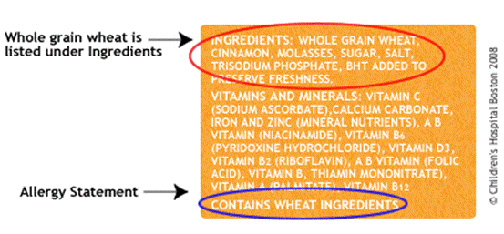
It’s important to read labels and look at the allergy statement to identify sources of gluten. It’s also important to make an effort to avoid cross-contamination. For example, putting gluten-free bread in a toaster that has been used for regular bread could cause cross-contamination.
Cost-effective naturally gluten-free foods:
- Fruits
- Vegetables
- Meat and poultry
- Fish and seafood
- Dairy
- Beans, legumes & nuts
Naturally occurring gluten-free grains:
- Amaranth
- Buckwheat
- Corn
- Cornstarch
- Guar gum
- Millet
- Gluten Free Oats
- Pea Flour
- Potato
- Quinoa
- Nut Flours
- Rice
- Sorghum
- Soy flour
- Teff
If you are concerned about having celiac disease, complete the Symptoms Assessment Tool and contact your PACT team. To learn more about following a gluten-free lifestyle, visit your VA dietitian today. Check out these great gluten-free recipes and meal plans.