


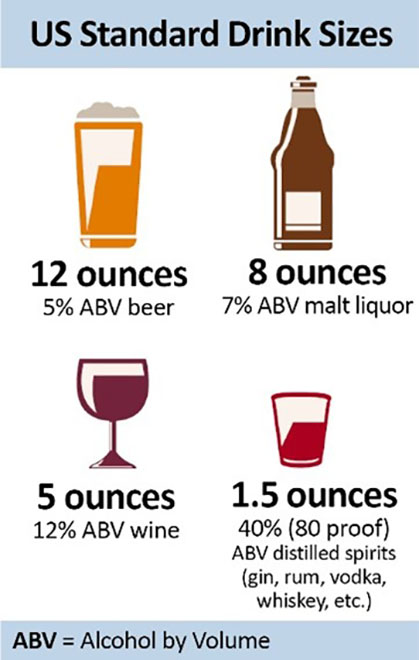
Historically, in early European cities where water was not clean to drink, alcoholic beverages, such as wine, beer, and spirits, were often considered to be a safer option to water. While not the case today, alcoholic beverages remain a popular drink choice, even though we have discovered that it increases the risk factors for many chronic diseases.
Alcohol is toxic to the body, contains liquid calories that add up quickly, and it takes a toll on our organs to process it, slowing down or temporarily halting other essential metabolic functions.
Health detriments of alcohol intake
Alcohol causes damage to our cells and no amount is considered necessary. Available research does not show any definitive health benefit of moderate drinking, but excessive alcohol intake poses many short- and long-term health risks.
Current research shows having a few drinks is not worth increasing the risk of heart-related conditions from too much alcohol consumption, such as increased blood pressure, elevated triglycerides (a type of fat), liver damage and several types of cancer.
Recommendations for alcohol intake
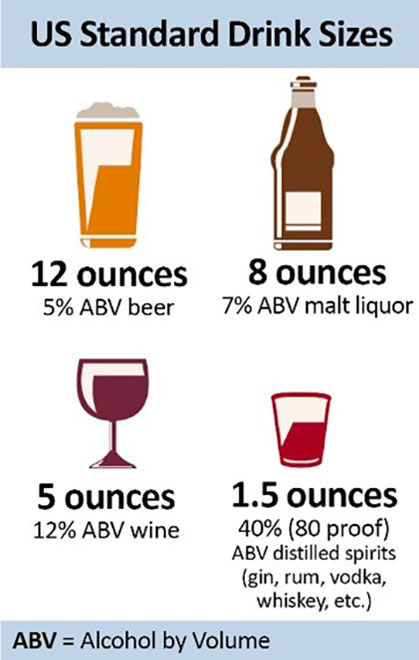
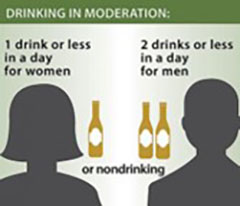
The 2020-2025 Dietary Guidelines for Americans do not encourage alcohol consumption, but if you do choose to drink, limit alcohol to one to two drinks per day. If you do not currently drink, it is not recommended to start.
Some people, such as women who are pregnant or people on medication, should avoid consuming alcohol altogether. Alcohol interferes with the absorption and effectiveness of many medications and could result in a dangerous or potentially deadly interaction. Veterans are encouraged to talk about their drinking with their health care provider.
Tips for drinking less alcohol
- If you’re thirsty, try a non-alcoholic beverage first so you do not drink too much alcohol too fast.
- Eating slows the absorption of alcohol, so have a meal or hearty snack before drinking alcohol.
- Ask for support from a friend or family member who will support your decision to drink less.
- For a treat or social occasion, try fun drinks without alcohol, such as a “mocktail.” There are many fun combinations using seltzer water, fruit juice, fresh herbs and whole fruits.
VA has several mocktail and other beverage recipes available on the VA Recipe Library for fun and tasty indulgence without the alcohol content. For more information on how to manage alcohol intake or any other food and drink related questions, visit your local VA dietitian. If you are struggling with overuse of alcohol, VA is here to help. Contact your local PACT team or mental health team to learn more about treatment options.