In this episode of the PTSD Bytes podcast, host Dr. Colleen Becket-Davenport discusses PTSD and traumatic brain injury (TBI) with Dr. Micaela Cornis-Pop, a speech language pathologist and national program manager for VA’s Polytrauma System of Care, and Dr. Joel Scholten, a physician and the executive director for VA’s Physical Medicine and Rehabilitation Program Office.
What is a TBI?
TBIs occur when a blow or jolt to the head damages the brain and results in symptoms like dizziness, headaches, irritability or poor concentration. However, there is no one singular symptoms that occurs only after a TBI. TBIs have become increasingly common in recent military conflicts, especially in Iraq and Afghanistan, where many Veterans were exposed to blasts from mortars or explosive devices.
TBIs in the military can also result from motor vehicle or training accidents and falls. Since an actual wound or injury may not be visible from the outside, it may be difficult to recognize the full extent of the injury or for others to understand how challenging TBI symptoms can be. Concussion is one type of TBI.
TBI and PTSD
Symptoms of TBI and PTSD often overlap—in fact, over 70% of post-9/11 Veterans in VA with a history of TBI also have a diagnosis of PTSD. This can complicate treatment since many symptoms, such as poor concentration or irritability, are shared between the two conditions. There are no medical tests—like blood tests or brain scans—that can definitively say a symptom was caused by one condition or the other.
What makes managing TBI and PTSD even more complex is that symptoms of both vary based on things like stress levels and how well you’re sleeping. On the bright side, managing stress and improving sleep can improve both conditions, and is an important part of treatment.
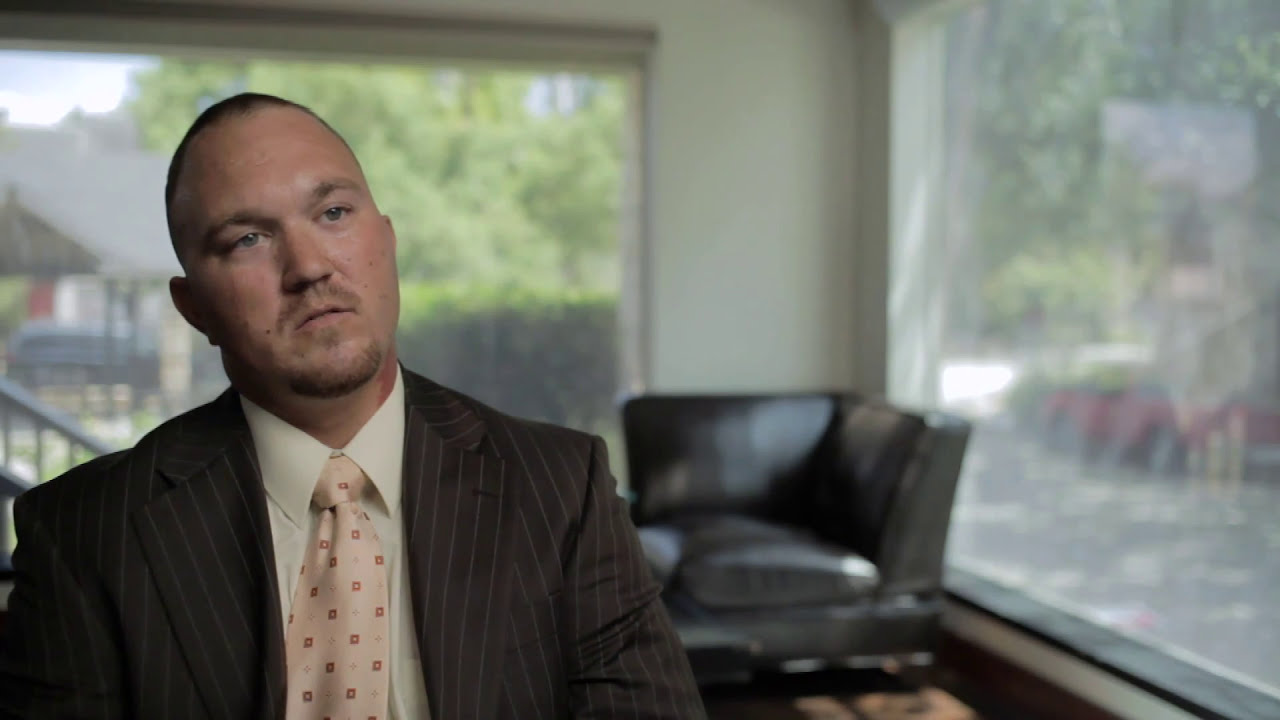
Veterans talk about getting help for TBI at VA
Treatment for TBI
While there is no “cure” or permanent fix for TBI, it is important to focus on proactive management of symptoms and healthier lifestyle habits. Common symptoms of TBI can affect concentration and mood, but can be improved by incorporating healthy daily activities into your routine—things like regular exercise, relaxation techniques and meditation.
Integrating exercise, good sleep hygiene, nutrition, positive social interactions and stress management into daily routines helps with both managing current symptoms and supporting long-term brain health.
It is also important to take precautions to avoid future brain injuries, such as wearing helmets, using seat belts and avoiding risky behaviors.
If you think you may have sustained a TBI, seek help from your medical care team. At VA, you can ask your primary care provider for a referral to the local TBI team for a comprehensive evaluation. VA also has the Polytrauma System of Care for people who have experienced an injury to multiple organs or body systems during a single traumatic event, including TBI.
The Polytrauma System of Care offers comprehensive support to Veterans by including various medical professionals and services who work together to provide individualized treatment plans aimed at managing symptoms across different body systems affected by trauma.
Concussion Coach mobile app

Concussion Coach is a free confidential mobile app that Veterans can use to help manage their own TBI symptoms. Originally launched by VA 11 years ago, the app was revamped in 2024 to make it easier to follow. It includes many new useful features, such as memory function improvement tools and easy-to-understand resources to improve interactions with family and coworkers. Research studies have also shown positive outcomes for users of the original app, making it a valuable resource for someone struggling with TBI symptoms.
Additional links
- Learn more about TBI and PTSD.
- Learn more about VA Care for TBI.
- Learn more about VA mental health apps.
- Find mental health treatment at VA.
- Find mental health treatment outside of VA.
- More PTSD Bytes episodes.
If you are a Veteran who is experiencing a crisis or supporting a loved one who is, call 988 and press 1 for immediate assistance, or chat online.